
Most people know that they are supposed to drink water, but up to 75 percent of Americans may be functioning in a chronic state of dehydration, according to new research.
...Water is necessary for the body to digest and absorb vitamins and nutrients. It’s also key to proper digestion, it detoxifies the liver and kidneys, and carries waste away, Webb said.
Showing posts with label Vitamins. Show all posts
Showing posts with label Vitamins. Show all posts
Wednesday, July 3, 2013
Up To 75% Of Americans Functioning In Chronic State Of Dehydration ...


Monday, March 15, 2010
Tuesday, March 9, 2010
Autism Supplements: Vitamin B6 [Pyridoxine]

Vitamin B6 [Pyridoxine]
Helps with the metabolism of the amino acids. Helps with PMS, carpal tunnel syndrome, and motion sickness. Deficiencies can cause weakness, confusion, depression, eczema. Birth control pills, antibiotics, and smoking can deplete B6. Can help with epilepsy, asthma, morning sickness, and kidney stones. Too much B6 over a prolonged period of time can lead to peripheral neuropathy [tingling and other sensations]. Can help heal "leaky gut". Some kids need very high doses, which can be helpful for focus/attention, body awareness, a "calmness", and elimination of climbing and jumping behaviors. However, for some kids, especially those with phenol intolerance, B6 can cause hyperactivity. Vitamin B-6 is a water-soluble vitamin and is part of the vitamin B complex. It is found in beans, nuts, legumes, eggs, meats, fish, whole grains, and fortified breads and cereals. Taking excessive amounts of vitamin B6 can cause a magnesium deficiency. It is important to give magnesium alongside Vitamin B6 to avoid this problem\
SOURCE: The Autism Supplements Guide
Related:
- Vitamin B6 - Wikipedia, the free encyclopedia
- Treating Autism with Vitamin B6: Pyridoxine & Magnesium ...
- Autism Therapy: Vitamin B6 and magnesium | Healing Thresholds
- Vitamin B6 in Autism: The Safety Issue
- Does Vitamin B6 Help in The Treatment With Autism?
- BRAINBOOSTERS AND SUPLEMENTS FOR AUTISM - ImmInst.org Forums


Wednesday, March 11, 2009
Spirulina: Algae for Autism
One mother used spirulina to reversed the signs of autism in her son
Wikipedia on Spirulina ...
Wikipedia on Spirulina ...
Related:Protein
Spirulina contains an unusually high amount of protein, between 55% and 77% by dry weight, depending upon the source. It is a complete protein,[citation needed] containing all essential amino acids, though with reduced amounts of methionine, cysteine, and lysine when compared to the proteins of meat, eggs, and milk. It is, however, superior to typical plant protein, such as that from legumes.[4][5]
Essential fatty acids

Spirulina is the common name for human and animal food supplements similar to Chlorella and Aphanizomenon flos-aquae (Blue Green Algae.) Spirulina comes from two different species of cyanobacteria: Arthrospira platensis, and Arthrospira maxima. These and other Arthrospira species were once classified in the genus Spirulina. There is now agreement that they are a distinct genus, and that the food species belong to Arthrospira; nonetheless, the older term Spirulina remains the popular name. Spirulina is cultivated around the world, and is used as a human dietary supplement as well as a whole food and is available in tablet, flake, and powder form. It is also used as a feed supplement in the aquaculture, aquarium, and poultry industries.
Spirulina is rich in gamma-linolenic acid (GLA), and also provides alpha-linolenic acid (ALA), linoleic acid (LA), stearidonic acid (SDA), eicosapentaenoic acid (EPA), docosahexaenoic acid (DHA), and arachidonic acid (AA).[5][6]
Vitamins
Spirulina contains vitamin B1 (thiamine), B2 (riboflavin), B3 (nicotinamide), B6 (pyridoxine), B9 (folic acid), vitamin C, vitamin D, and vitamin E.

Friday, November 7, 2008
Tuesday, November 4, 2008
Folic Acid as Autism Treatment
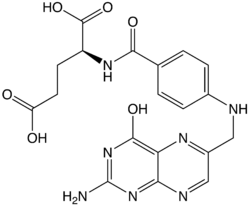 Folic acid: (also known as Vitamin M and Folacin) and Folate (the anionic form) are forms of the water-soluble Vitamin B9.
Folic acid has been reported to be helpful in autism (ARRI 8/4). The great French researcher Jerome Lejeune reported that supplements of about 250 mcg of folic acid per pound of body weight per day brought on major improvement in several autistic children. Dr. Lejeune gave thousands of retarded children (mostly Down syndrome) 20 mg of folic acid per day in his various studies, with no harm, nor would any harm be expected.
These occur naturally in food and can also be taken as supplements.
Folate in foods and other sources
Leafy vegetables such as spinach, turnip greens, lettuces, dried beans and peas, fortified cereal products, sunflower seeds and certain other fruits and vegetables are rich sources of folate. Liver and liver products also contain high amounts of folate, as does bakers yeast. Some breakfast cereals (ready-to-eat and others) are fortified with 25% to 100% of the recommended dietary allowance (RDA) for folic acid. A table of selected food sources of folate and folic acid can be found at the USDA National Nutrient Database for Standard Reference.Folate is also found in Vegemite or Marmite, with an average serving (5g) containing 100μg. Folate is also synthesized in bacteria.
Related: Folic Acid on Wikipedia
Subscribe to:
Posts (Atom)
Add This ...


